What I Learned at Edge Esmeralda About the Future of Events
Let’s start planning your next corporate event?
I came home from Edge Esmeralda with far more questions than answers, which is usually a sign that an event did its job.
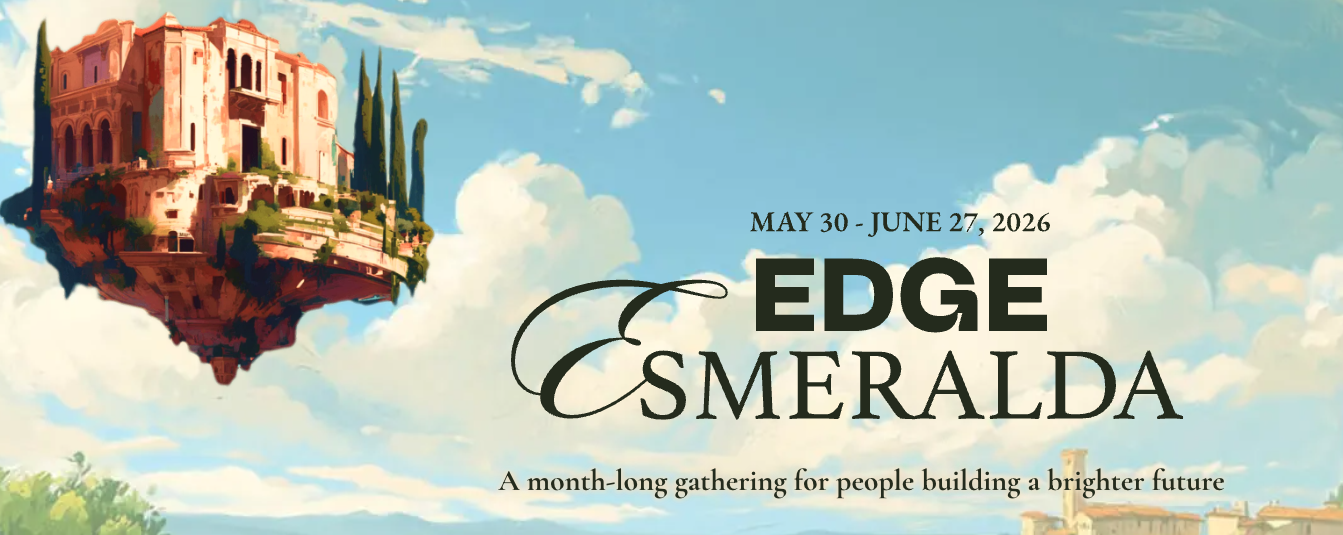
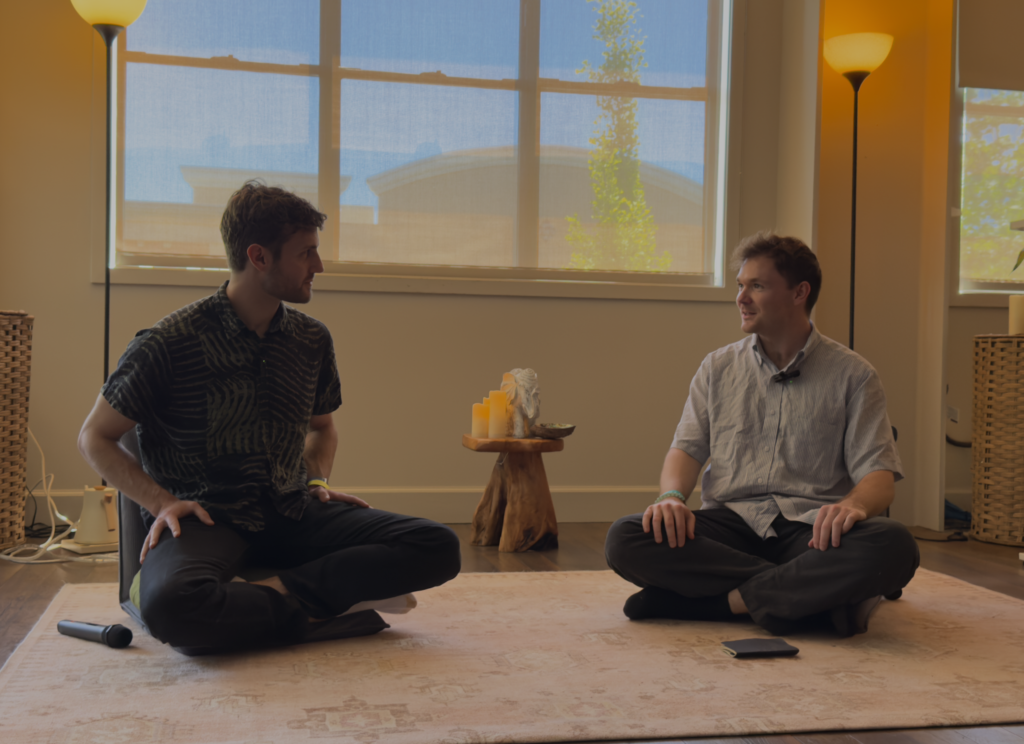
For those unfamiliar, Edge Esmeralda is part unconference, part pop-up city, part social experiment. It brings together entrepreneurs, technologists, investors, creatives, researchers, and curious humans to explore what the future might look like. During my week there, conversations ranged from AI and digital governance to health, wellness, community, and city-building. Check out our conversation with Edge Esmeraldas Founder, here.
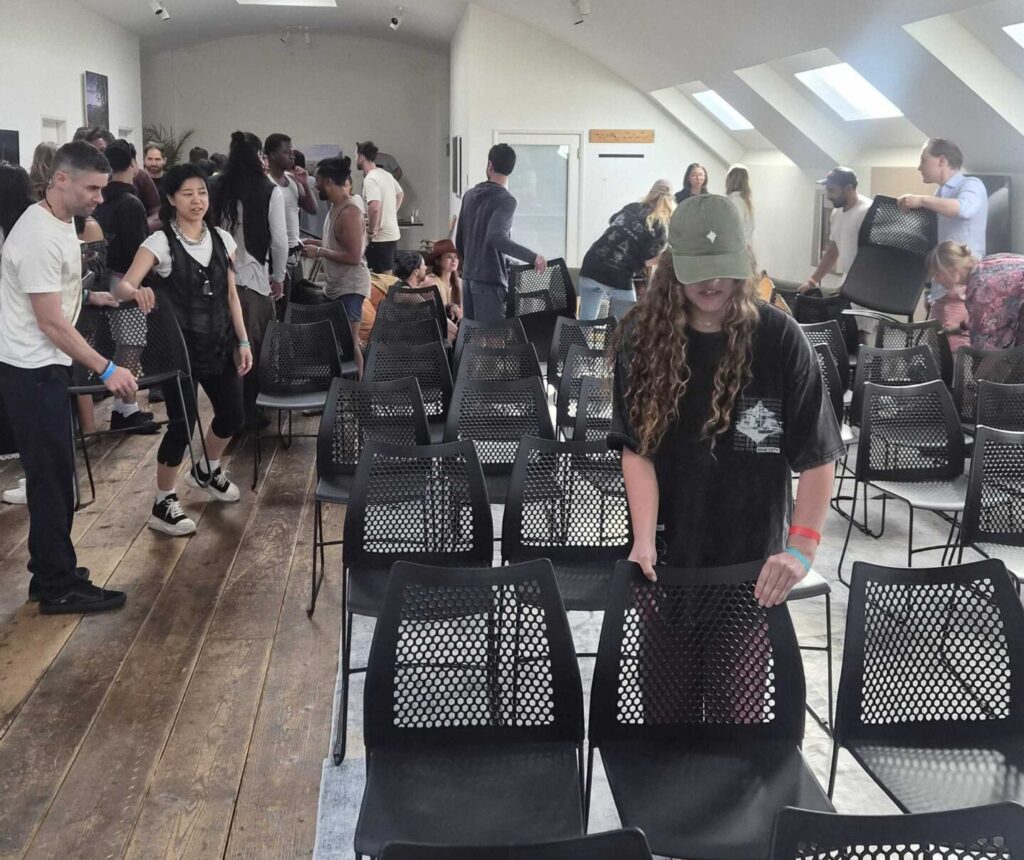
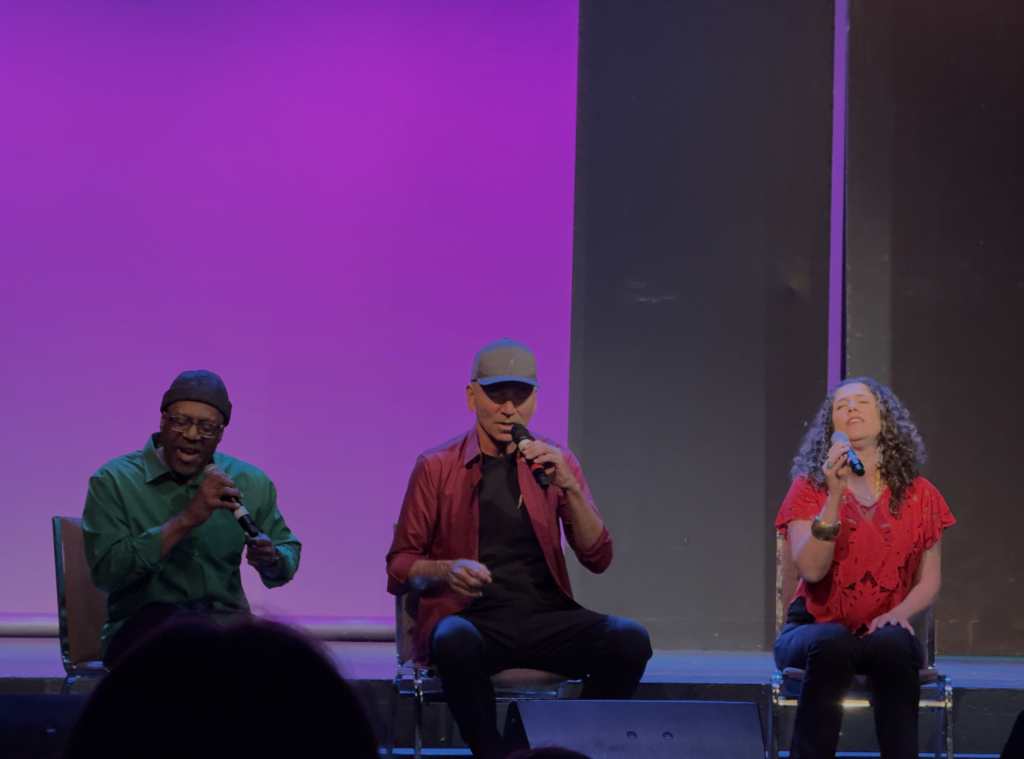
As someone who has spent nearly two decades designing corporate experiences, I arrived curious about the content. I left thinking mostly about the spaces between them. That’s not what I expected. One of the first things that struck me was how casual everything felt. And when I say casual, I mean really casual. Rooms were set by volunteers. Attendees moved chairs. Community members added sessions to the agenda. During one town hall, people contributed ideas in real time while the presentation deck was actively being edited in front of everyone. The event planner in me had a visceral reaction. We’re trained to eliminate friction. We think about sightlines, room flow, signage, registration experiences, seating counts, branding, staffing plans, contingency plans, and about a thousand other details that attendees never notice because we’ve already solved them.
At Bash, we spend a lot of time protecting people from problems before they happen.
Edge Esmeralda takes a different approach. The organizers seem willing to accept a certain amount of imperfection in exchange for flexibility and community ownership. Sometimes a room is too small. Sometimes a session fills up unexpectedly. Sometimes the schedule evolves in real time. And surprisingly, people are okay with it. More than okay, actually. They seem invested in it.
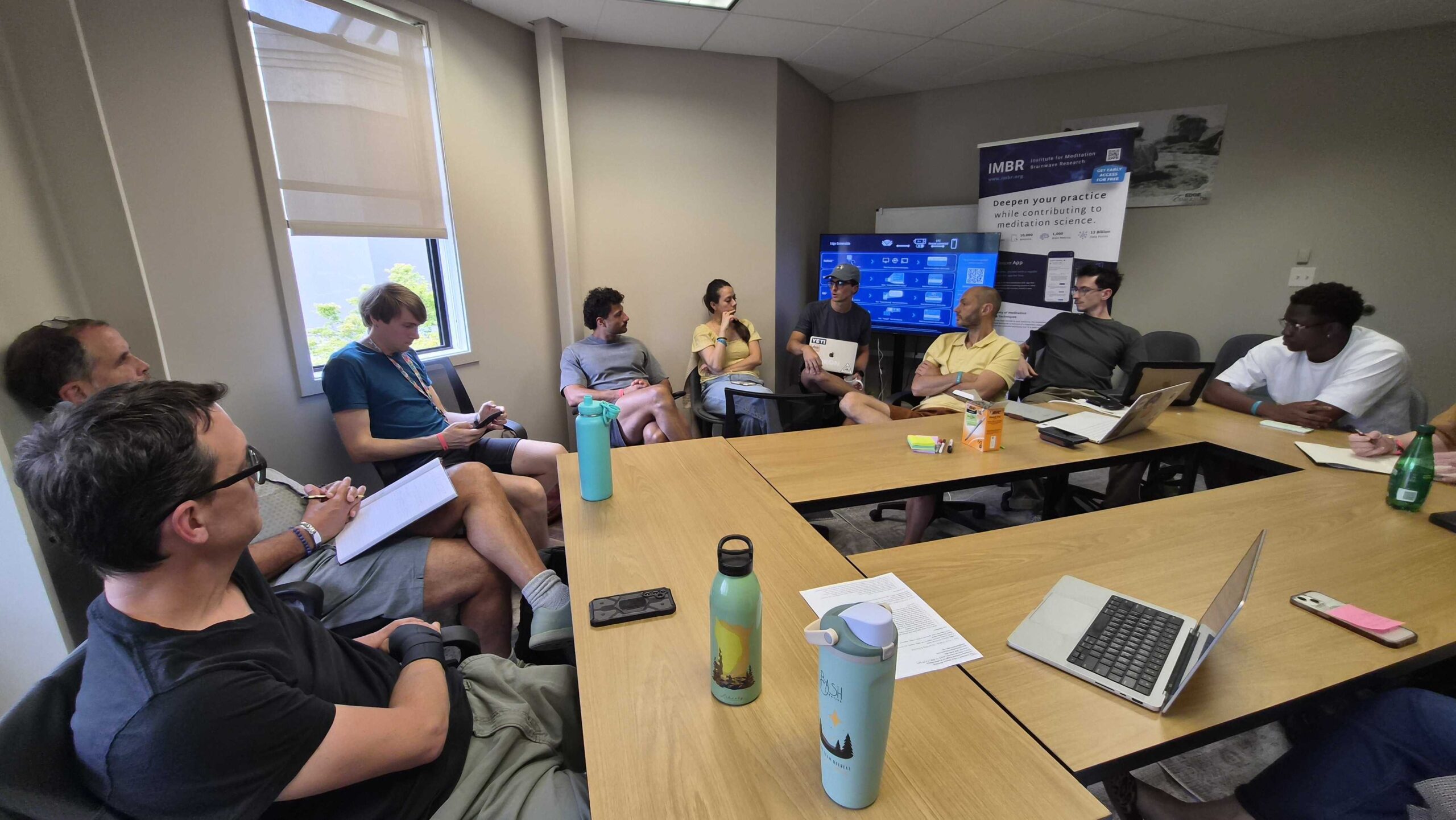
I kept asking myself why. The answer became clearer as the week went on. When people help shape an experience, they become participants instead of attendees. One example stood out to me. I hosted a discussion called “Change Management for Human Teams Adopting AI.” I added it to the schedule because I wasn’t hearing many conversations about the people side of AI. There were plenty of discussions about technology, capability, and the future. Very few were focused on what happens to the humans navigating all of it. I booked a small room because I wasn’t sure anyone would show up. It filled almost immediately. We had people requesting recordings because they couldn’t fit the session into their schedule. The feedback afterward was incredibly thoughtful. Several attendees told me it was the first conversation they had attended all week that centered on the human experience of AI adoption.
That experience reinforced something I believe many industry veterans already know. People want relevance from events, not just information.
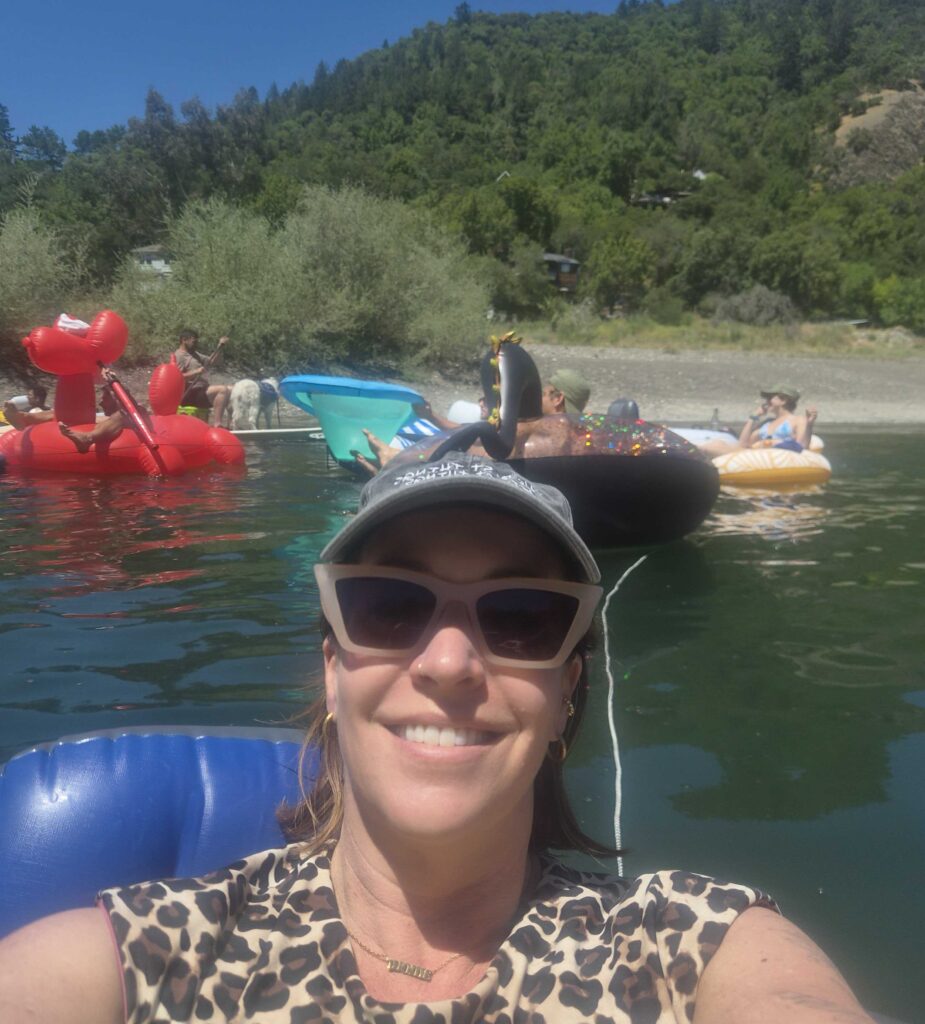
They want a chance to contribute. They want to see themselves reflected in the conversation. That’s difficult to create when every aspect of an event is predetermined. The most interesting thing I observed all week wasn’t inside a session. It happened on a river float. I spent hours floating down the river next to someone I had never met. We talked about work, life, ideas, travel, and the future. At some point later, I discovered he was one of the keynote speakers on AI. If we had met through a traditional networking function, I’m not sure the conversation would have unfolded the same way. There was no exchange of business cards. No forced introductions, no pressure. Just two people sharing an experience. That happened repeatedly throughout the week. Some of the most valuable conversations happened while walking between sessions, sitting over coffee, waiting for dinner, or participating in wellness activities.
As event professionals, we often focus our energy on the programming because programming is tangible. It’s measurable, it’s what appears on the agenda. But the agenda isn’t always where the magic happens. The agenda gives people something to think about. The spaces between sessions give people something to connect over. That distinction has been sitting with me since I got home. Now, does this mean every corporate event should become an unconference? Absolutely not. Corporate events have different objectives.
Leadership teams need alignment. Sales organizations need training. User conferences need education. Customers need product insights. Those goals matter. Structure matters. Production quality matters. Clear communication matters. The level of trust required to allow attendees to build their own programming isn’t realistic for every audience or every business objective. But I do think there are lessons here. One lesson is that ownership creates engagement. Another is that people are hungry for conversations, not just presentations. And perhaps the biggest lesson is that connection rarely happens on command. As event strategists, we spend a lot of time designing moments. The challenge is remembering that relationships often form in the moments we didn’t script.
Our mission has always been to protect and promote human connection.
That’s the lens I carried into Edge Esmeralda. It’s also the lens I carried home. The event challenged some of my assumptions about what attendees are willing to tolerate. It reminded me that perfection isn’t always the goal. Sometimes people will happily trade a little polish for a greater sense of participation. I don’t think the future of events is fully community-led. I don’t think it’s fully structured either. The future probably lives somewhere in between. The organizations that figure out how to combine intentional design with genuine participation will create experiences people remember long after the final keynote ends.
Because years later, very few people remember every slide they saw, but they do remember the conversations that changed how they think.

Founder & CEO, Bash Creative
Annalee founded Bash Creative in 2014 after a decade in luxury hospitality with The Pebble Beach Company and Starwood Hotels & Resorts. She holds a degree in Tourism and Special Events from Cal Poly San Luis Obispo and built Bash on a straightforward conviction that transparent partnership and genuine human connection belong at the center of every event. She is a sought-after industry voice on human-centered event design and has spent the last several years expanding Bash’s network while redefining what borderless, values-driven business looks like.
At Bash Creative we don’t just expertly manage logistics. We curate experiences that strategically align to your company’s vision and goals to transform your guests into brand evangelists.
Curious to learn how we make that magic happen?