Conferences like COP31 and Climate Week Inspire and Validate the Art of Mission-Aligned Events
Let’s start planning your next corporate event?
Written by Bash Creative’s Senior Events Manager, Simone Aguilar
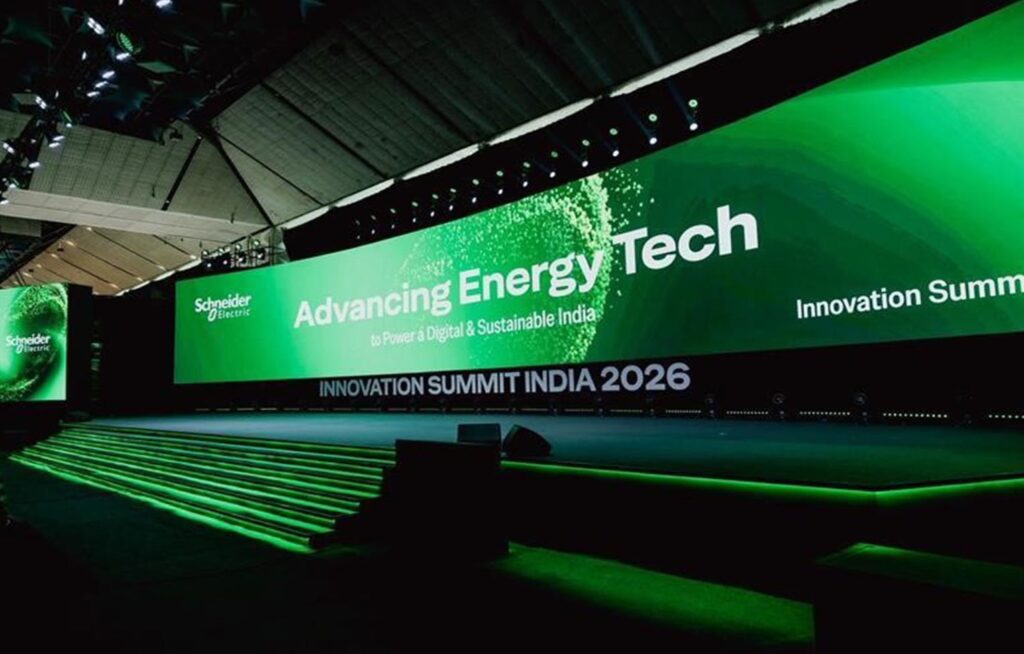
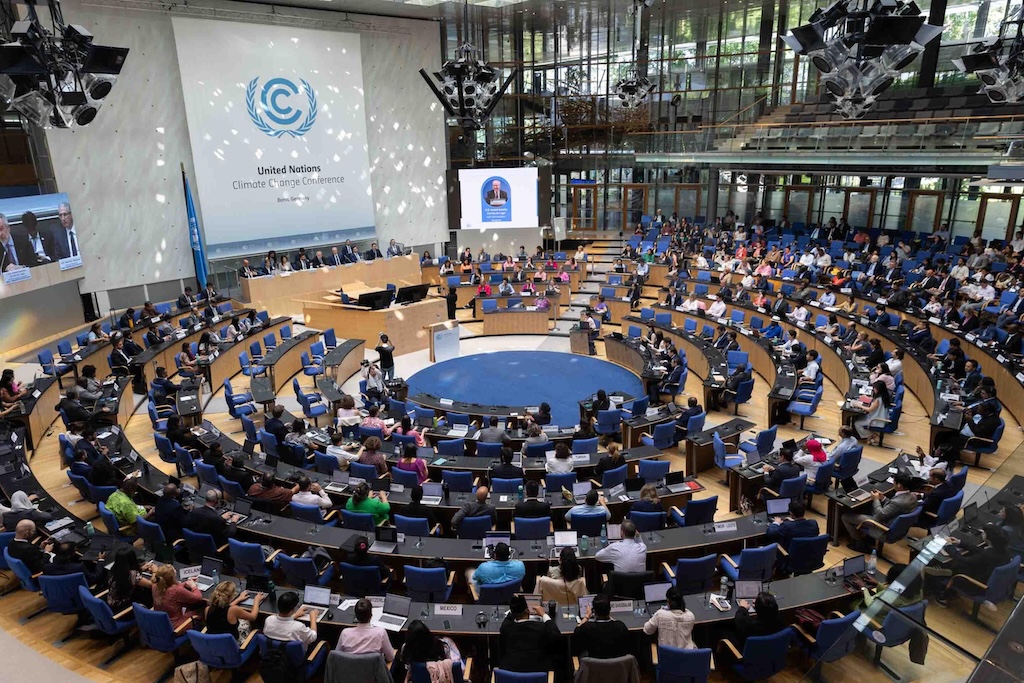
As this publishes, 100,000 people are making their way to Antalya, Turkey for this year’s United Nations Climate Change Conference (COP31). Heads of State. Scientists. Ministers. Climate change negotiators. Corporate sustainability advocates. Investors. NGO directors. All under one roof – or more accurately, under 44 pavilions, a Green Zone, a Startup Zone, and a conference ecosystem so layered it has its own entertainment and arts programming!
On paper, COP31 is a diplomatic summit. But zoom out, and it’s something we as event experts recognize immediately. It is one of the most complex, multi-stakeholder event productions on the planet. Countries aren’t just sending delegates; they’re building branded experiences inside a larger conference framework. Canada has a full event space with a stage to host their own proprietary sessions. Thematic pavilions on oceans, health, and buildings are running their own programming. Organizations are producing activations designed to move people, change minds, and establish presence on a global stage.
That’s experience strategy in motion. The brands who are investing time, energy, and money to show up at these global climate conferences understand that they have a unique opportunity to speak to a concentrated audience who are all there to further one collective goal: saving our beautiful planet. The energy (pun intended) is palpable at these events and we have had the privilege to be in these rooms, most recently we got to experience one of these climate conventions up close this past Spring.
“Every time I’m at these events, something in me recalibrates. I want to understand this world more deeply, partner with the people building it, and directly support the organizations that carry their values into every room. That’s the part I can contribute to, and I don’t take that lightly.” -Simone Aguilar, Senior Events Manager, Bash Creative
What SF Climate Week Made Clear
SF Climate Week brought more than 60,000 people to San Francisco across 700+ events. For context, it’s grown nearly three times over in just a few years. It’s a city-wide ecosystem of panels, activations, dinners, forums, and conversations spread across dozens of venues and neighborhoods. Decentralized by design and a formula that is repeated in many global tier 1 markets
I went in with an event producer’s eye and a relationship cultivator approach, and here’s what caught my eye. The organizations that intrigued me the most, as an events expert, understood that in a decentralized format, attendance alone means nothing. When there are 700 events happening in a week, showing up isn’t the win. How you are able to show up is what has the potential to leave an impact.
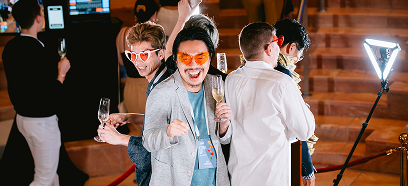
For me, the most memorable events were the most intentional. The rooms that felt designed – where the energy, the layout, the speakers, and even the catering communicated something coherent about the organization’s purpose – those were the ones people stayed at and continued to talk about the next day.
There is a high standard and significance to not underestimate the audience. These aren’t general consumers. At SF Climate Week, you’re in a room with investors who’ve been in the space for fifteen-plus years, analysts who can immediately clock whether your framing is accurate, policy people who’ve heard every version of every talking point. The audience has a lot of passion and a high tolerance for complexity. There is no tolerance, or time, for surface-level networking. If an event doesn’t reflect that, it’s noticed immediately, and they’ll likely move on to the other 20 options on their list.
The organizations that thrived treated their events as intellectual currency. Their panels had real tension and real debate. Their networking moments were structured enough to feel useful but loose enough to feel human. Their materials, their design, their speakers – all of it communicated we’ve thought about this, and we think you’re worth the effort. These types of experiences draw the right people into the room and create the impactful connections that attendees are there for in the first place.
An organization that really stood out was Planet Haus, a non-profit that designed an immersive, multi-sensory physical space to showcase the intersection of consumer behavior and climate action. They partnered with other outstanding organizations such as Purpose Pledge, Change Climate Project, One Step Closer, and Planet FWD, and invited their community of purpose-driven brands to showcase their impact across industries and inspire attendees. Each room held a different purpose, each with educational activations that provided thoughtful gifts for guests ranging from creating a custom non-toxic fragrance, selecting clean ingredient supplements, or making your own lavender pouch from organic cotton. The lineup of speakers included Pinterest, Ritual, and Imagine5 with their Heads of Sustainability, Global Partnerships, and Chief Impact Officer taking the stage to share their detailed approach for ensuring specific practices within their brand and promoting positive change to their audience communities.
What felt phoned in? The events that were essentially brochures in room form. Passive formats that did not invite conversation. A panel of people who all agreed with each other. Unclear CTA’s and a lack of cohesive purpose in the room. You could feel the gap between the event description you RSVP’d to and the experience in the room.
Here’s what I’d share with a renewable energy or climate company preparing for a brand presence at a convention like this…your audience is sophisticated, skeptical, and busy. They’ve been to plenty of events, and have several more events to attend. The ones that earn their time are the ones that make them think and take action, evoke emotion, or authentically connect them to someone they genuinely wanted to meet. If your event does all three, you’ve done something rare.
Four Lessons for Climate and Energy Events
There are a few things that conventions like SF Climate Week and COP31 make very clear, and I think they apply whether you’re running a pavilion at a global summit, hosting an investor dinner, or designing your annual conference.
Your stakeholder landscape is more complex than almost any other industry. In a single room, you might have an impact investor, a city official, a grassroots organizer, a researcher, and a Fortune 500 sustainability executive. These people have different vocabularies, different pressures, and different reasons for being there. An event designed for one of them tends to alienate the rest. The best events we’ve seen in this space are architecturally fluent, invite a variety of opinions and expertise, and are engineered to connect to the humanity of their guests. They create environments where all types of people feel like the experience was built with them in mind.
Owned activations are the new brand stage. The main stage at any large conference belongs to the conference. Your pavilion, your side event, your dinner, and your forum is where your brand actually lives. Organizations that treat owned activations as an afterthought are leaving their most powerful brand moment on the table. The real value for your brand happens in the rooms you control.
Presence compounds. You don’t build credibility at one event. You build it by showing up at the right ones, consistently, in a way that gets better every year. The organizations that have real authority in the climate and energy space aren’t the ones that showed up once with a big budget. They’re the ones that have been in the room, year after year, refining their story and deepening their relationships. Every event is a deposit. Trust accumulates over time and builds brand value.
For mission-driven organizations, your event is your message. This might be the most underutilized insight in this space. What you say about your mission matters. How you design the experience around that message matters more. If your organization believes in a just transition, does your event reflect that in who’s on your panels, how your space is designed, who you partner with? If your company is betting its future on clean energy, does your event feel like the future? The gap between stated mission and lived event experience is something audiences feel before they can name it.
How This Work Looks in Practice
Bash has had the privilege of working in this world. When Sustainable Oceans Alliance was preparing for its first major presence at the Global Climate Action Summit, they needed to meet several goals at once: introduce their founder as a leader in the space, showcase their first incubator cohort, raise funds for future global expansion, and put their company on the map with other influential voices in the space. We produced the Oceans Solutions Gala at the California Academy of Sciences, a perfect backdrop with its world class aquarium and reputable dedication to environmental protection and education. Immersing their guests in an experience designed around this environment kept them rooted in the mission of their hosts and gave them real-life examples of what their support could do. This was an experience where investors, scientists, and ocean advocates could move through a space that physically expressed the organization’s mission. As an additional layer, we also carefully selected vendor partners who carried the organization’s mission forward. Ones who had built in sustainability practices and values. The venue, the vendors, the programming, the design – all of it carried their cohesive message.
We’ve also done this work in the renewable energy sector. Our partnership with 8Minute Solar Energy (now Avantus) gave us a close look at how a company operating at the frontier of large-scale solar thinks about gathering its people and communicating its culture internally. Ensuring your events and messaging are cohesive from the inside out is the foundation everything else is built on.
Where I Land
Here’s where I land after all of it.
Climate and energy companies are telling some of the most important, most compelling, most urgent stories in the world. The science is clear. The stakes are obvious. The talent is there. The capital is moving.
What isn’t always there is the strategic weight behind the experiences designed to ensure those stories are memorable and stand out in the noise.
COP31 opening this week is a reminder of what it looks like when the climate conversation gets a physical form – when the world’s most important negotiation simultaneously becomes one of the world’s most complex event productions. The organizations showing up with intention, with design, with a clear point of view expressed through their space and their programming – those are the ones that make a lasting impact.

Owner + Director of Event Operations, Bash Creative
Danielle is the operational backbone of Bash Creative and the standard-setter behind how the company plans, runs, and delivers events. With over 20 years of large-scale yet bespoke event experience, Danielle has perfected the art of transforming production chaos into symphony. As Bash’s steady conductor, she leads with razor-sharp perception and unshakable calm, keeping every moving piece synchronized even under intense pressure. Her dedication to agility translates directly into the quality of service she delivers. With a production philosophy built on anticipation, clarity, and ownership, she has developed the internal systems and frameworks that allow Bash to scale without sacrificing precision or care.
At Bash Creative we don’t just expertly manage logistics. We curate experiences that strategically align to your company’s vision and goals to transform your guests into brand evangelists.
Curious to learn how we make that magic happen?