The Rise of Proprietary Conferences in Renewable Energy
Let’s start planning your next corporate event?
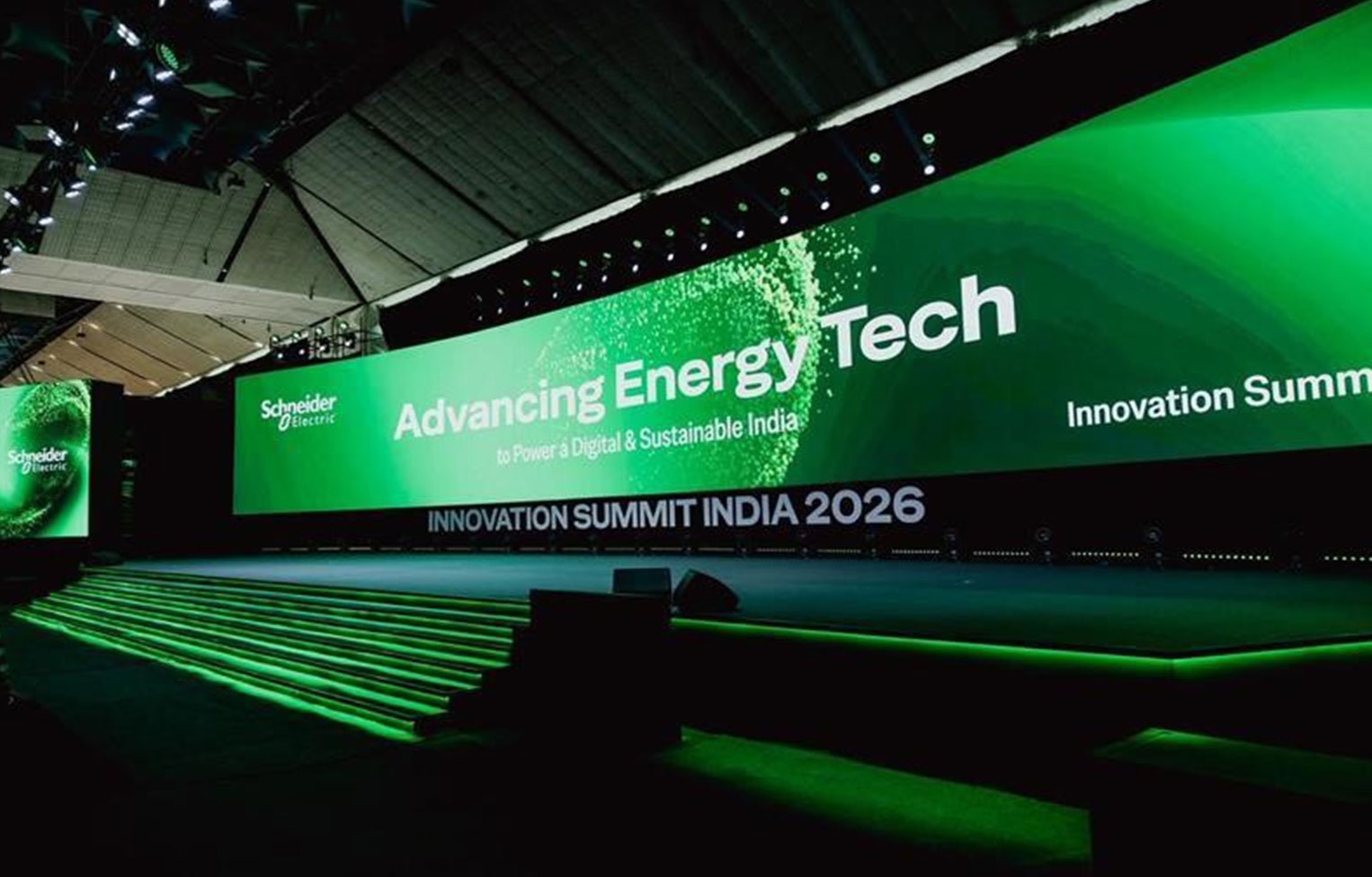
Image: Schneider Electric Innovation Summit India 2026. Credit: ANINews
If your renewable energy company is weighing whether to build its own branded event or continue sponsoring a booth at someone else’s, we help companies make that exact leap. And it’s one of the things we do best at Bash Creative. We’ve tuned into this trend accelerating across the energy sector because we have seen it before in tech, and we are here for it!
The Shift
The biggest players in energy and infrastructure aren’t just showing up at industry conferences anymore. Likely because conferences like RE+ have become massive, and it’s getting increasingly harder to stand out among thousands of global companies. The trade shows are saturated and companies are looking for a new way to get their mission in front of the right people. Something almost impossible to do when the audience is over 100,000 people.
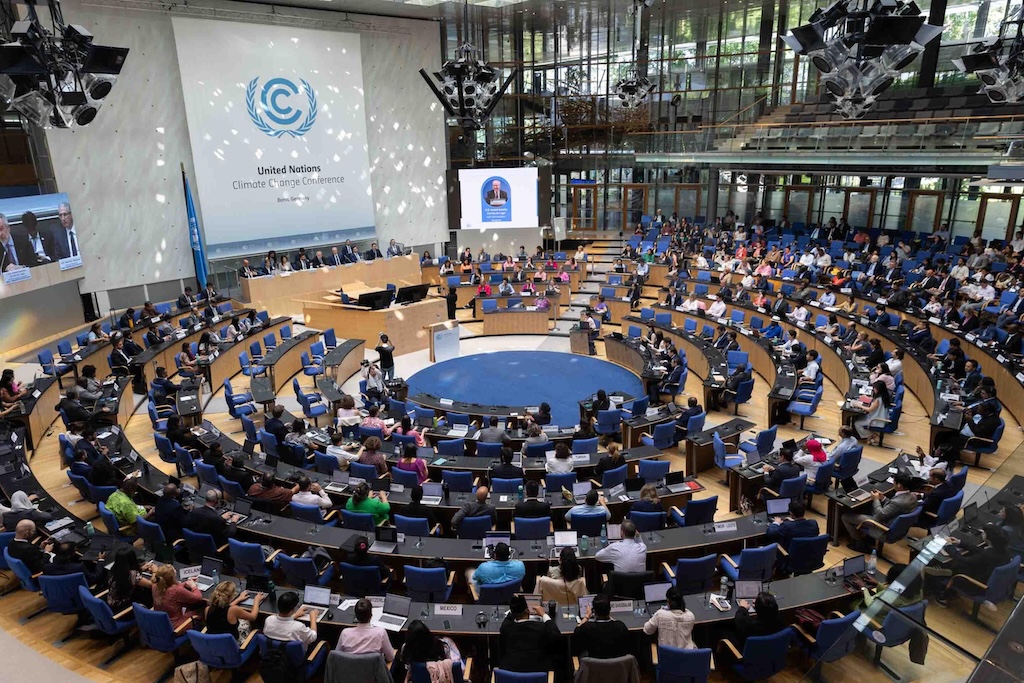
Schneider Electric’s Innovation Summit India 2026 brought together over 5,000 customers, partners, CEOs, policymakers, and influencers, and launched 30+ technology solutions at their flagship event in New Delhi. Their Innovation Summit North America 2025 in Las Vegas convened more than 2,500 business leaders and market innovators. And these are just two stops on a global Innovation Summit circuit that now spans Copenhagen, Abu Dhabi, and beyond, with IDC calling the 2025 Innovation Summit “a milestone in the company’s transition from an electrical equipment manufacturer and energy solution provider into a full-spectrum energy technology partner.”
Siemens Energy hosted its second Global Innovation Conference in Berlin in March 2026, building on the success of its 2025 event and expanding to a global audience, bringing together industry leaders, partners, and innovators over three days to explore new technologies and collaborative solutions for a more sustainable energy future. Meanwhile, Siemens launched the Siemens Tech Summit 2026 in Indonesia, bringing together industry leaders, technology partners, and academia to drive digitalization and energy transition. They also host the annual AI with Purpose Summit, an exclusive invite-only gathering of leading industry executives, experts, entrepreneurs, analysts, and media representatives.
NextEra Energy runs an annual Innovation Summit that “showcases our unwavering commitment to innovation” and “serves as a platform for employees to explore the latest technological advancements.” They also launched their first Software Developers Conference, hosted by NextEra Analytics.
Renewable Energy Is Following the Tech Industry Playbook
What’s happening in renewable energy right now is exactly what happened in tech over the last decade. Companies that once relied entirely on trade shows and industry conferences to reach their audiences started realizing that those platforms had limits and an opportunity to go more niche was the next iteration. You’re one booth in a sea of booths. One panel in a grid of panels. One logo on a sponsorship wall. One of a thousand “intimate dinners.”
The companies that broke out and became category-defining brands were the ones that built their own stages. Salesforce built Dreamforce. HubSpot built INBOUND. Pendo, Figma, Robinhood are only a few of the companies we’ve worked with that all reached a point where they outgrew other people’s events and decided to own the room instead.
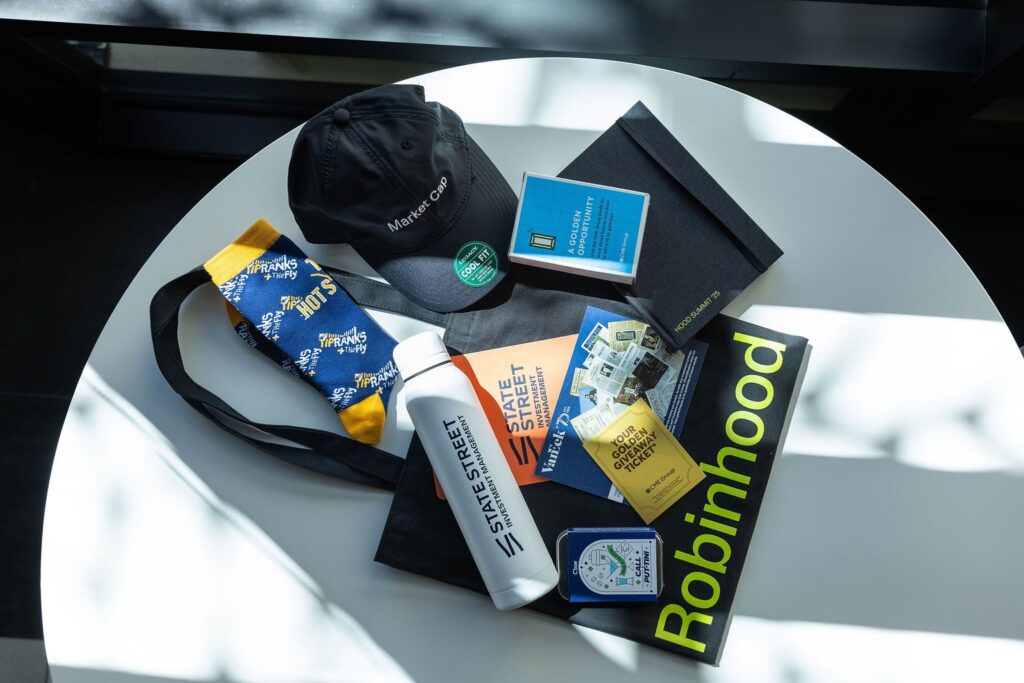
Robinhood’s HOOD Summit 2024 was their first-ever customer-focused conference, geared toward active traders, held in Miami over three days with keynotes, panels, and evening programming. Bash Creative worked hand in hand with Robinhood to create and produce that inaugural event. They brought us back for HOOD Summit 2025 in Las Vegas. A two-day showcase where Robinhood unveiled cutting-edge technology and advanced trading tools. Attendance doubled from the previous year, and the event became a flagship moment for Robinhood’s brand.
Why Proprietary Conferences Are on the Rise
The reasons energy companies are making this shift are the same reasons tech companies did:
You control the narrative. At someone else’s conference, you’re speaking within their framework. At your own, every touchpoint tells your story, and you can be in the middle of the conversation vs participating from the sidelines.
You own the audience data. When you host the event, you know exactly who walked in the room, what sessions they attended, and how they engaged. That intelligence is invaluable for sales, partnerships, and investor relations.
You deepen relationships on your terms. A 5-minute booth conversation (if you are lucky) is different from a two-day immersive experience where investors, partners, customers, and executives spend real time with your brand AND retelling your story. Energy companies have investors, partners, government stakeholders, communities, executives, customers, and industry peers to engage. Owned events let you design for all of them simultaneously.
You build something that compounds. The first year is an experiment. The second year is where evangelists are made. By year three, it’s a destination meeting place that your guests are planning their schedules around. That compounding effect only works if you own it.
You Don’t Have to Start at 5,000 People
Here’s where this gets practical. When you see Schneider Electric filling a 60,000-square-foot Innovation Hub, it’s easy to think proprietary conferences are only for Fortune 500 companies with massive budgets. They’re not.
Some of the most effective owned events we’ve produced have been intimate. A 200-person summit. A 75-person roadshow. A two-day executive leadership forum for a company’s top partners. The principle is the same regardless of scale. You’re creating a branded experience on your terms, in a room you control, for an audience you’ve curated.
For renewable energy companies in particular, the audience complexity actually makes smaller, more intentional owned events incredibly powerful. When your guest list includes investors, policy advisors, community stakeholders, and C-suite executives, an intimate format lets you design for that diversity in a way a massive trade show never can.
What It Actually Takes to Build One
Producing a first-time proprietary conference is a different discipline than sponsoring a booth or hosting a dinner. It requires:
- A clear strategic purpose. Why does this event need to exist? What does success look like beyond “it went well”? How can we build a brand for this event that gives space for growth and intentional iteration?
- Programming that earns the audience’s time. Your attendees are sophisticated and busy. The content has to deliver real value, the speakers need to be leaders in your industry.
- Production that matches the ambition. The venue, the design, the flow, the A/V, the hospitality, and all of the touchpoints need to communicate who you are. If the production quality doesn’t match your brand’s ambition, the audience notices.
- A partner who’s done it before. Inaugural events have no margin for error. There’s no “last year’s playbook” to reference. You need a team that knows how to build from ground zero and make it feel like year five.
This is one of the areas where we have the deepest experience at Bash Creative. We’ve produced inaugural conferences and summits for companies making this exact transition. Robinhood’s HOOD Summit started as an idea for a first-ever customer conference. We built it from the ground up in 2024, and they brought us back for year two. We brought Traverse, an annual travel and expense tech festival, to life two times for Tripactions. Forethought’s Inaugural Conference was another first. A company ready to step into the spotlight with its own event, designed to establish authority and deepen customer relationships.
When a company outgrows other people’s stages, they build their own. And when they’re building for the first time, they tend to bring in a partner who’s been through it before.
The Playing Field for Renewable Energy
Here’s what the landscape looks like right now. The industry’s major conferences aren’t going anywhere, they’re essential. But they’re also crowded, and your brand is one of many competing for attention in the same halls.
The companies that are pulling ahead are the ones supplementing those industry appearances with proprietary events that serve a more specific audience and a more focused purpose. A summit for your top 100 customers. An annual investor gathering. A technical conference for your developer ecosystem. A leadership forum that positions your CEO as a thought leader in the energy transition.
This is the same evolution that happened in tech. And the renewable energy companies that move first will have the advantage of establishing their events before the space gets crowded.
Is This the Right Move for Your Company?
Not every company is ready to produce a proprietary conference. But if any of the following sound familiar, it might be time:
- You’re consistently sponsoring industry events but struggling to differentiate from competitors in the same halls.
- Your stakeholder relationships are complex enough that a generic conference format doesn’t serve them well.
- Your leadership team has a point of view worth building a stage around.
- You’ve outgrown the booth and the panel slot, and you’re ready to own the room.
If that resonates, we’d love to talk about what building your own event could look like. Take our hand, we know the way.
Frequently Asked Questions
What is a proprietary conference?
A proprietary conference is a branded event owned and produced by a single company, rather than an industry trade show or third-party conference. The hosting company controls the programming, the audience, the branding, and the experience. Examples include Schneider Electric’s Innovation Summit series, Robinhood’s HOOD Summit, and Salesforce’s Dreamforce.
Why are renewable energy companies building their own events?
Renewable energy companies have complex stakeholder landscapes: investors, partners, government officials, customers, and communities. Proprietary events give them a platform to engage all of these audiences on their own terms, control the narrative, own the audience data, and build brand equity that compounds year over year.
How big does a proprietary conference need to be?
There is no minimum size. Some of the most effective owned events are intimate (75 to 200 attendees) because they allow for more intentional programming and deeper relationship building. The scale should match the audience and the strategic purpose, not an arbitrary headcount goal.
What does it cost to produce an inaugural conference?
Costs vary significantly based on scale, location, programming, and production quality. The more important question is what the event is designed to accomplish and whether the investment aligns with the business outcomes it’s meant to create. A strong event production partner can help you scope and budget realistically.
Can an event production company help plan a first-time conference?
Yes. In fact, inaugural events are one of the highest-stakes moments to bring in an experienced production partner. There’s no previous year to build on, no existing playbook, and no margin for error. Companies like Bash Creative specialize in building events from scratch and making them feel established from day one.

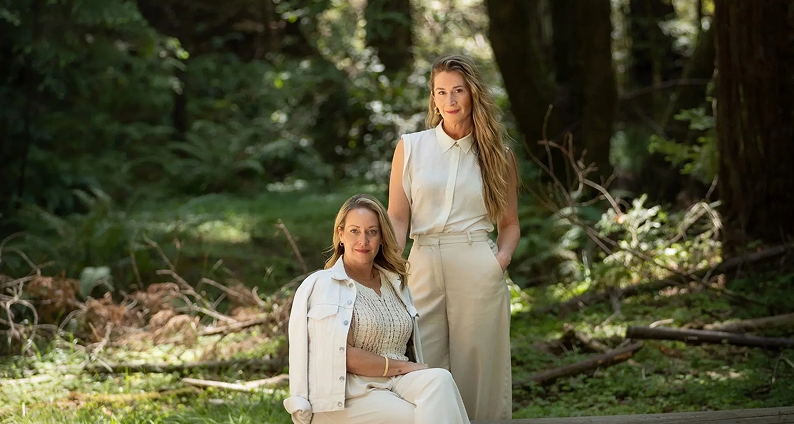
Owner + Director of Event Operations, Bash Creative
Danielle is the operational backbone of Bash Creative and the standard-setter behind how the company plans, runs, and delivers events. With over 20 years of large-scale yet bespoke event experience, Danielle has perfected the art of transforming production chaos into symphony. As Bash’s steady conductor, she leads with razor-sharp perception and unshakable calm, keeping every moving piece synchronized even under intense pressure. Her dedication to agility translates directly into the quality of service she delivers. With a production philosophy built on anticipation, clarity, and ownership, she has developed the internal systems and frameworks that allow Bash to scale without sacrificing precision or care.
At Bash Creative we don’t just expertly manage logistics. We curate experiences that strategically align to your company’s vision and goals to transform your guests into brand evangelists.
Curious to learn how we make that magic happen?