Why Brand Experience Is the New Exhibit Hall | SXSW + Coachella Insights
Let’s start planning your next corporate event?
From Booths to Brand Worlds: What SXSW and Coachella Reveal About The Future of Experiential Marketing
There was a time when the exhibit hall was the main event. Bigger booth, louder screens, more giveaways, more foot traffic.
Not anymore.
If SXSW and Coachella are telling us anything right now, it’s that brand experience has become the new exhibit hall. The brands getting remembered are not the ones simply taking up space. They are the ones creating a moment people can step into and actually feel. SXSW itself now frames activations as putting attendees “right into the action,” turning pop-ups and installations into memorable moments that last beyond the event.
That shift matters because audiences are hungry for something more tangible. After years of living through screens, people want to experience a brand in real life. They want to see it, touch it, hear it, interact with it, and decide whether it feels true. The physical experience has become the proof point.
At SXSW, that was on full display. Brands were not just activating. They were building worlds.
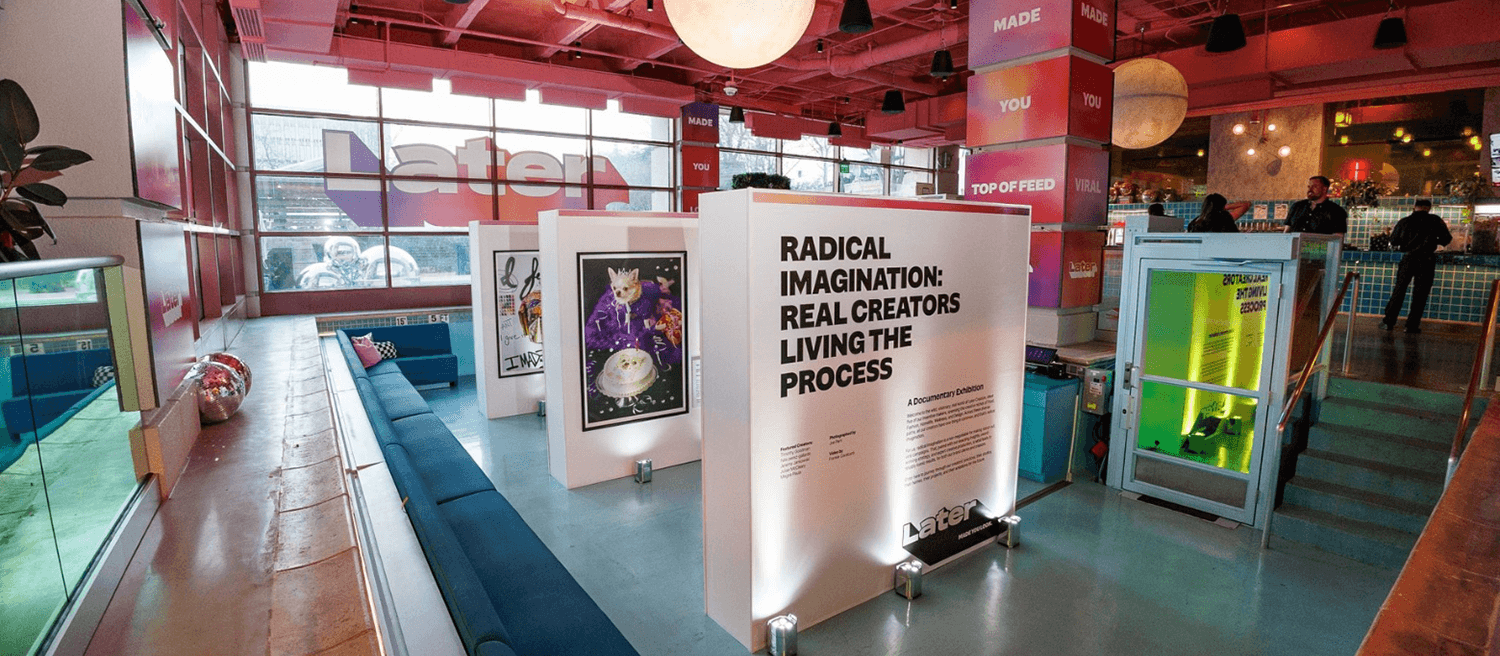
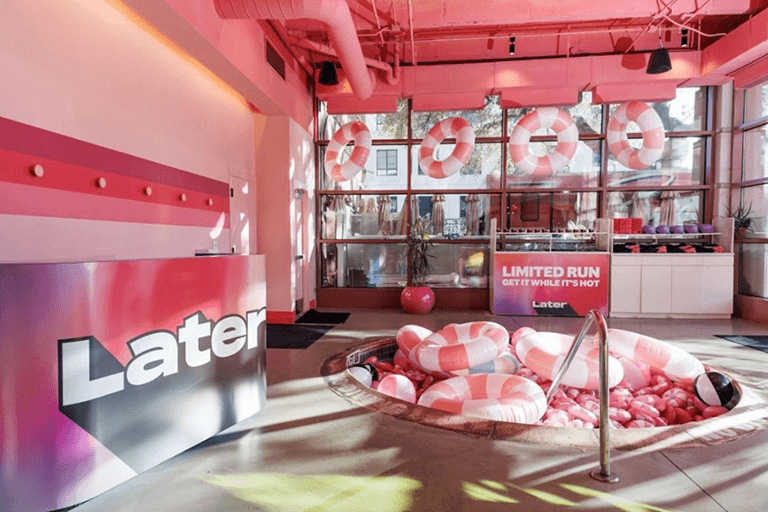
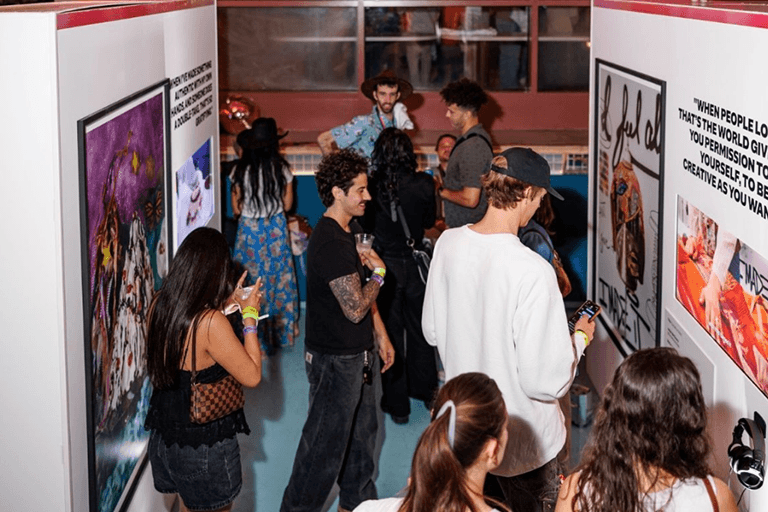
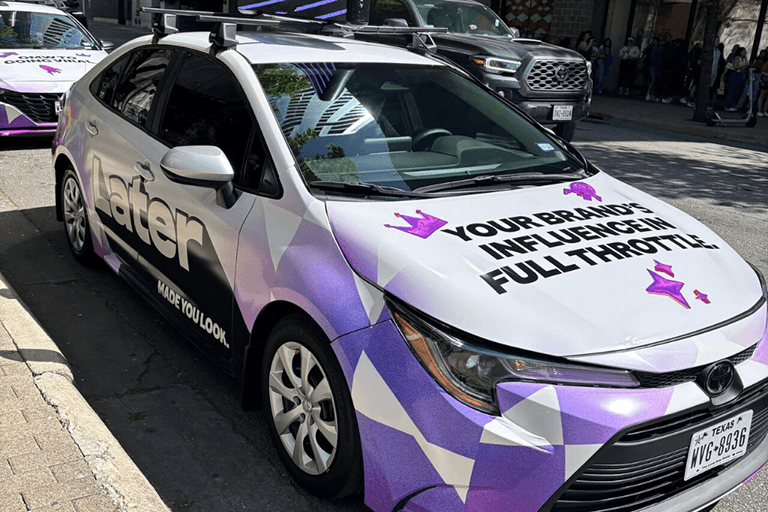
Later Media by Mavely showed up in a way that reflects where marketing is headed: closer to creator commerce, closer to community, and closer to measurable real-world influence. The point is not just that creator-led brands belong in the room. It is that they now know how to shape the room, and that changes the expectation for everyone else.
Unwell brought a completely different energy with their County Fair, but the lesson was similar. Its SXSW presence stood out because it felt culturally fluent, personality-driven, and built for participation instead of passive viewing. Coverage of SXSW 2026 repeatedly pointed to immersive, audience-first activations as the work that broke through in a more condensed and competitive festival environment.
Then you look at Coachella, where the evolution is even more obvious and shows us an understanding of what modern brand presence really looks like. In that environment, visibility alone is not enough. Brands have to earn attention by being useful, immersive, visually compelling, and emotionally resonant.
That is why activations like Pinterest, e.l.f. Cosmetics, and Heineken House matter.
Pinterest has been especially smart here. Its Coachella presence translated digital inspiration into a physical style experience where festivalgoers could explore trends in person. In 2026, Pinterest and e.l.f. Cosmetics leaned into a more intentional, sensory-forward concept, showing that even digital-first brands understand people are craving more analog depth.
And then there is Heineken House, which continues to prove that a brand does not need to shout to make an impact. It simply needs to create a place people want to gather. Music, energy, product, atmosphere, connection—it all works together. The experience becomes the message.
One stat says a lot here: for Pinterest’s 2025 Coachella activation, 45% of Coachella searches on Pinterest came from Gen Z style-seekers. That is more than a trend insight. It is a reminder that the audience is already telling brands what they want: inspiration they can bring to life.
And that is exactly why analog experiences are back in a big way.
Not because digital is going away. It is not. But because digital works best when it leads to something tangible. The best experiential moments now are not anti-digital. They are post-digital. They understand that online attention may spark interest, but in-person environments create belief.
That is part of why we have always believed in a more tactile approach to creative. Not just designing something that looks good on a screen, but thinking about how it lives in a space, how it moves, what it invites people to notice, hold, explore, and remember. The strongest brand experiences are the ones that feel considered at every level, and that kind of resonance usually starts with creative built for real human interaction, not just visual consumption. Bash’s own creative approach speaks to that same belief: creative works best when it stays cohesive through production and is built to live fully in the event environment, not just in the concept deck.
Of course, none of this happens by accident.
The strongest brand experiences may look effortless, but they are built on intention, strategy, and resources. They require clarity on audience, message, environment, and outcome. They require creative that can hold attention, operations that can support the vision, and a team disciplined enough to make every touchpoint feel cohesive.
That is the real story behind SXSW and Coachella right now. Not just that brands are showing up, but that the best ones are showing up with purpose.
The future is not the biggest booth.
It is the most meaningful experience.
Because people do not just want to know what your brand says. They want to know what it feels like to be inside of it.

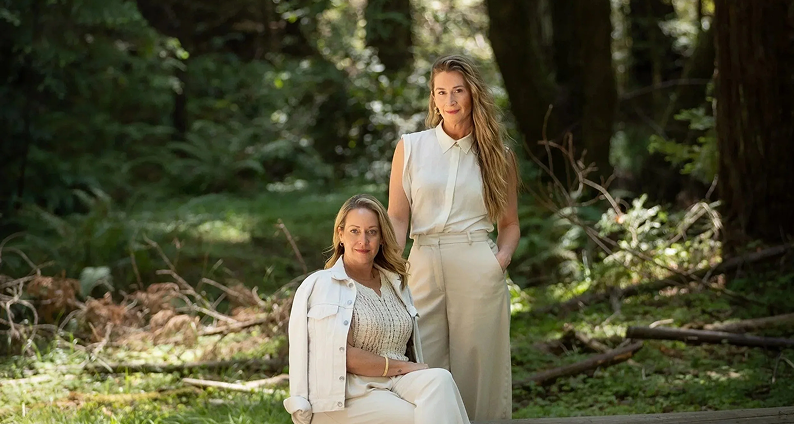
Owner + Director of Event Operations, Bash Creative
Danielle is the operational backbone of Bash Creative and the standard-setter behind how the company plans, runs, and delivers events. With over 20 years of large-scale yet bespoke event experience, Danielle has perfected the art of transforming production chaos into symphony. As Bash’s steady conductor, she leads with razor-sharp perception and unshakable calm, keeping every moving piece synchronized even under intense pressure. Her dedication to agility translates directly into the quality of service she delivers. With a production philosophy built on anticipation, clarity, and ownership, she has developed the internal systems and frameworks that allow Bash to scale without sacrificing precision or care.
At Bash Creative we don’t just expertly manage logistics. We curate experiences that strategically align to your company’s vision and goals to transform your guests into brand evangelists.
Curious to learn how we make that magic happen?