How To Evolve Your Internal Corporate Event Year After Year
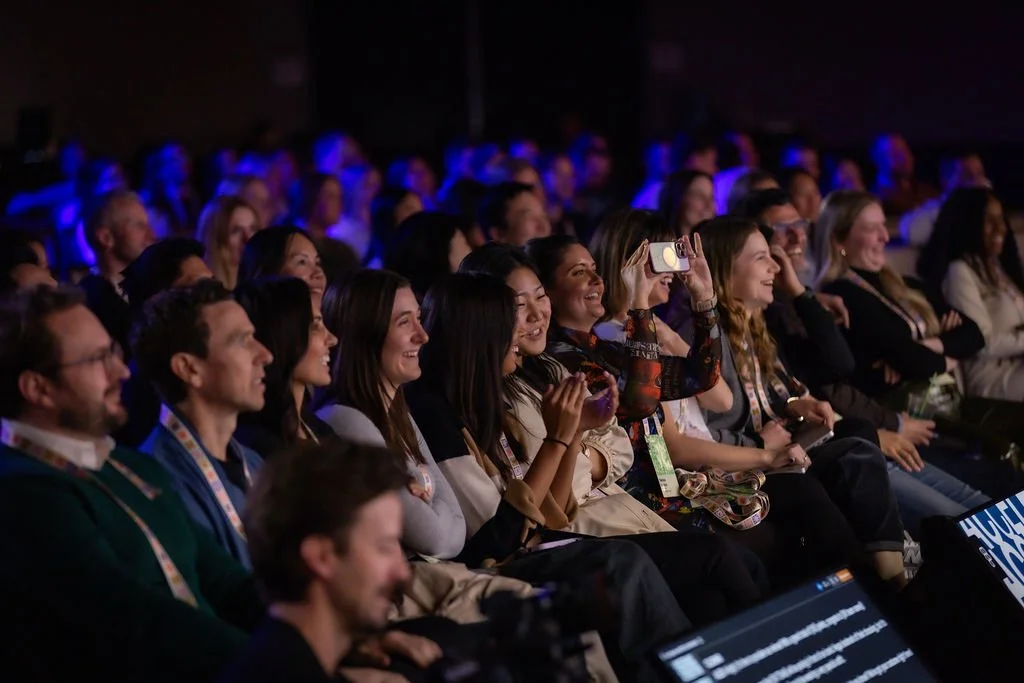
Corporate internal events are more than gatherings, they’re opportunities to reinforce company culture, strengthen team bonds, and create meaningful momentum. But let’s be honest: attending the same event year after year, with no innovation or renewed energy, quickly leads to disengagement. A successful internal event should feel dynamic, intentional, and continuously evolving. By the end of this blog, you will have a strong foundation created by event industry experts on how to create an impactful internal event.
At Bash Creative, we believe that events are the physical manifestation of your company’s culture and values. Internal events shouldn’t just be meetings on a calendar; they are gateways to meaningful human connection—a key ingredient for thriving teams.
We’ve helped countless clients (our dear friends) transform their annual off-sites, retreats, and internal summits into experiences that resonate long after the last session. How? By refining content, optimizing engagement strategies, and learning from past events in real time. Whether you’re hosting a leadership retreat, company kickoff, or employee appreciation event, here’s how to keep things fresh and impactful year after year.
STEP ONE: START WITH REFLECTION
The best way to evolve your internal event? Learn from the past. Immediately after your event (not months later), take the time to assess what worked and what didn’t from every perspective (yours, your attendees, and your stakeholders) while it’s still fresh. Consider:
Where did energy peak, and where did it drop?
Were attendees actively engaged, or was there a point where attention faded?
Which sessions, activities, or formats sparked the most interaction?
What feedback was shared during the event—not just after?
Post-event debriefs and real-time feedback allow you to make informed decisions for the next iteration, ensuring your event remains relevant, engaging, and aligned with your team’s evolving needs.
STEP TWO: KEEP CONTENT FRESH & INTERACTIVE
Content stagnation is the fastest way to lose attendee interest. Year after year, your event should feel new while also staying true to its core purpose.
Shake up the format: Long, lecture-style presentations are energy killers. Instead, break up content every 20-30 minutes with live Q&A, panel discussions, or fireside chats. Learn more about the science of attendee engagement.
Encourage participation: Attendees retain more when they’re actively engaged. Foster problem-solving exercises, peer discussions, and collaborative workshops.
Ensure content builds upon itself: Is there a storyline that unfolds throughout the event? Structure your agenda that builds upon itself taking your audience on a journey rather than a series of disjointed sessions organized by function or department.
When content and experience are carefully designed, internal events become more than a company obligation, they become a catalyst for learning, inspiration, and shared vision.
STEP THREE: DEEPEN CONNECTION & COMMUNITY
An internal event is about more than training and development, it’s about deepening working relationships within your teams. Consider strategies to make attendees feel more connected to the company’s mission and each other.
Mentorship Moments: Pair new employees with veteran team members to show them the ropes and foster deeper engagement. Keep it fun and light, like a college "welcome week" buddy system!
Leverage Leadership: Giving your most seasoned management employees an active role—as session leaders, discussion facilitators, or event ambassadors. Helping them have an active role in the event demonstrates the importance of the content and provides an opportunity to connect with employees outside of their departments.
Use pre-event polling to tailor experiences: Gather attendee' input in advance to craft an agenda that speaks directly to their interests. Seeing their feedback reflected in the event makes them feel valued, involved, and results in a deeper sense of engagement.
True connection isn’t accidental, it’s built with intentionality. By fostering a sense of belonging, inclusion, and purpose, internal events can transform into spaces where people don’t just show up, they actively participate and engage.
STEP FOUR: BRING IN THE UNEXPECTED SURPRISE + DELIGHT
Elevating an internal event doesn’t mean more, it means better. Thoughtful, unexpected moments create lasting impact. A few of our favorites:
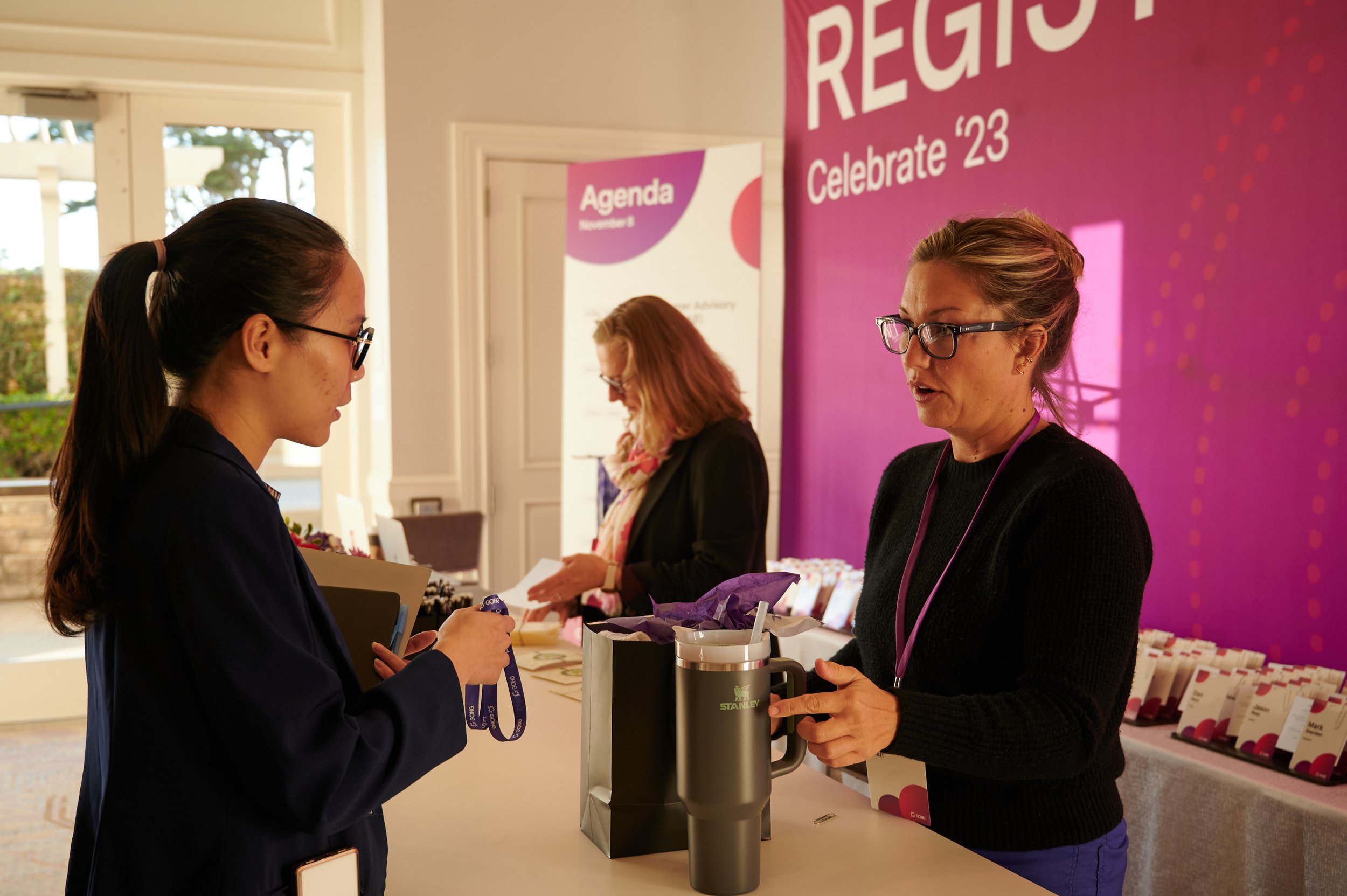
Useful Amenities: Thoughtfully curated, event-aligned gifts (delivered at just the right moment) make attendees feel valued and appreciated.
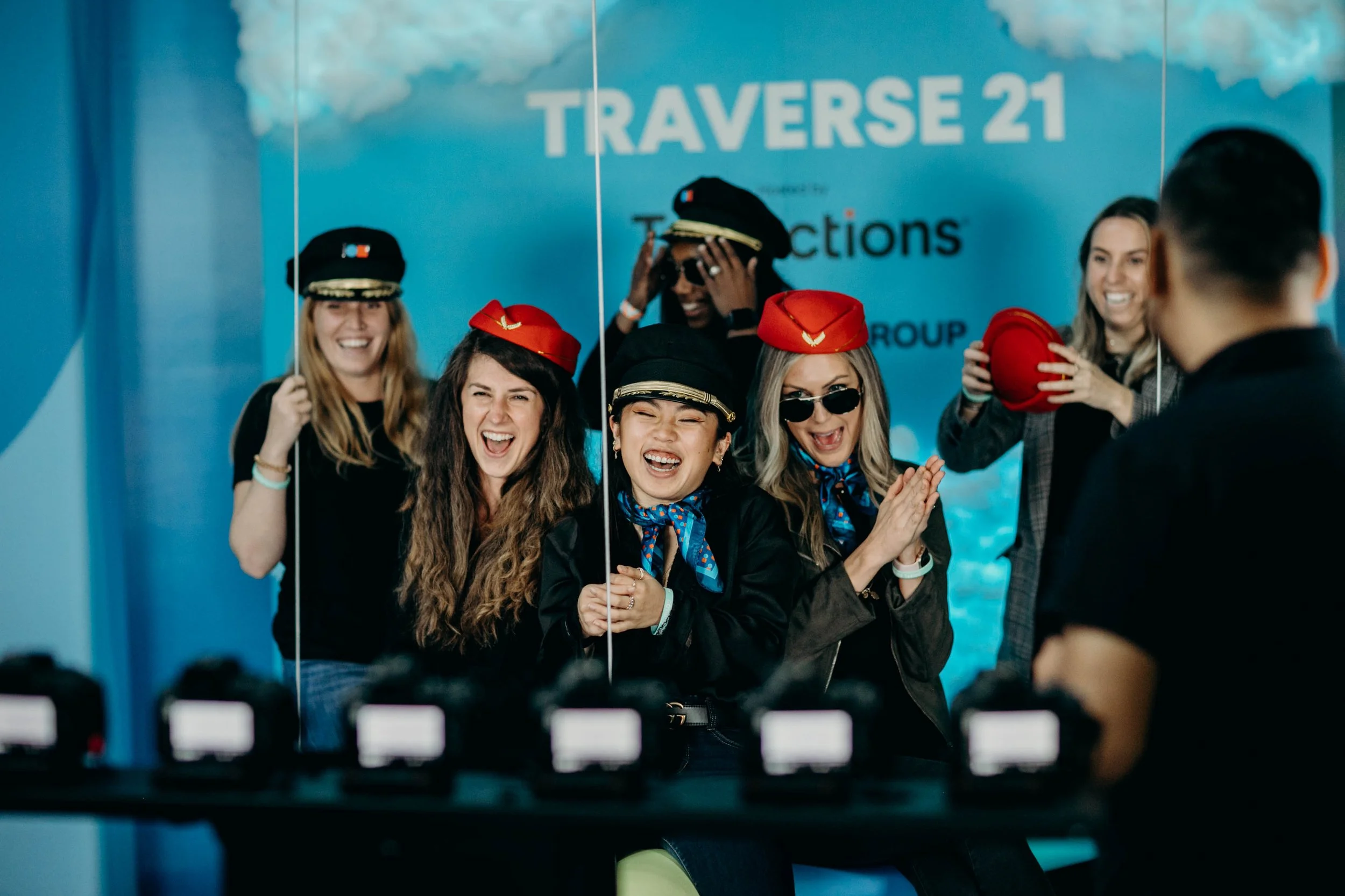
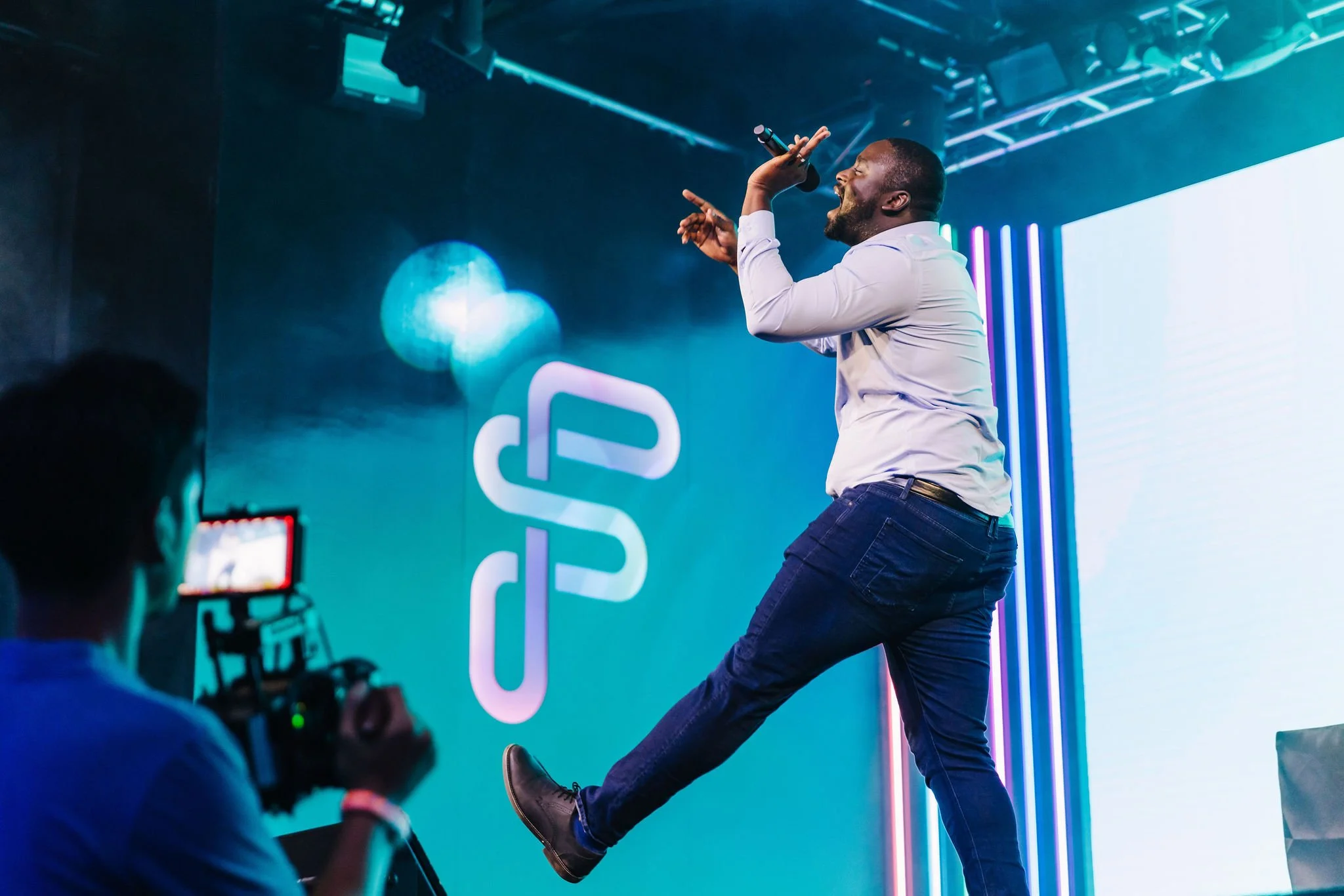
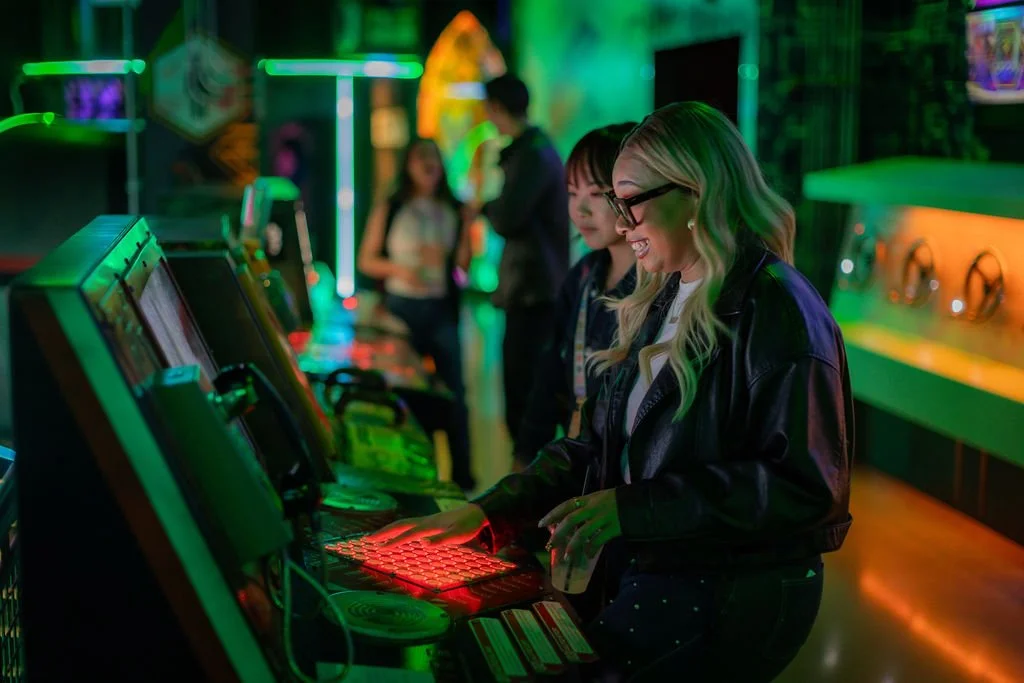
Pop-Up Entertainment: Whether it’s interactive performers, surprise speakers, or immersive experiences, weaving in unexpected moments keeps energy high.
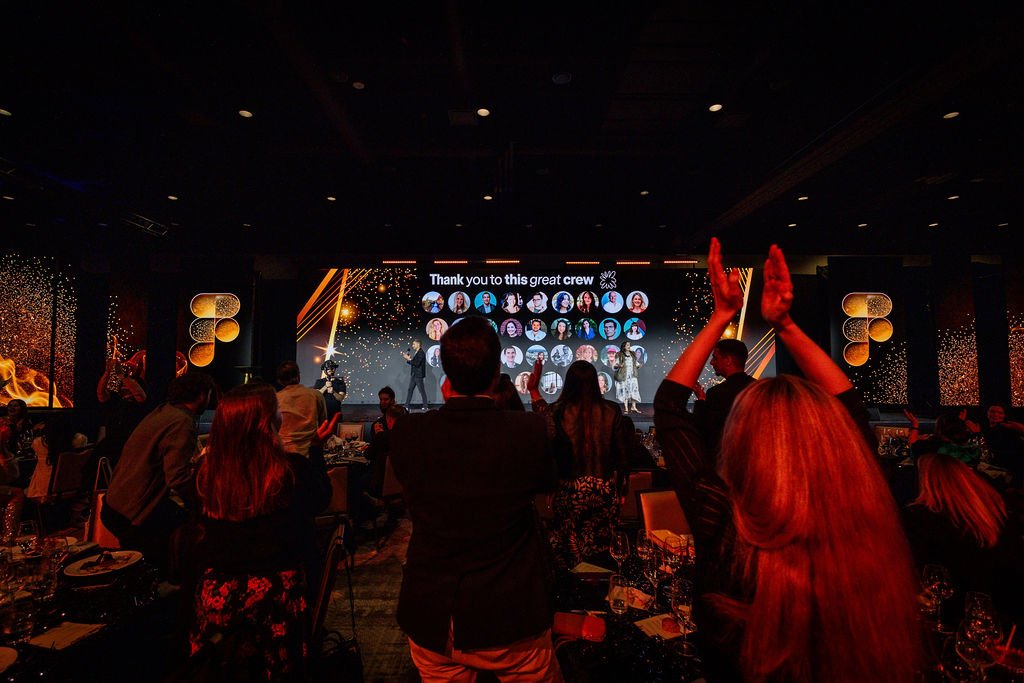
Unconventional Awards: Instead of the standard awards dinner filled with long speeches expected entertainment, and costly plates of filet - consider dripping award presentations throughout the day where energy is needed the most. Then celebrate with a blowout party that allows your attendees to spend more time socializing and connecting.
WHY THIS MATTERS: THE ROI OF STRONG INTERNAL EVENTS
A well-designed internal event isn’t just an employee perk, it’s a business investment.
Companies with highly engaged employees outperform their peers by 147%. (Gallup)
94% of employees say they would stay at a company longer if it invested in their learning and development. (LinkedIn Workplace Learning Report)
Employees who feel connected to their company’s mission are 55% more engaged.
When internal events are intentional, immersive, and thoughtfully designed, they foster trust, engagement, and long-term loyalty. They create a workplace where employees work for a purpose.

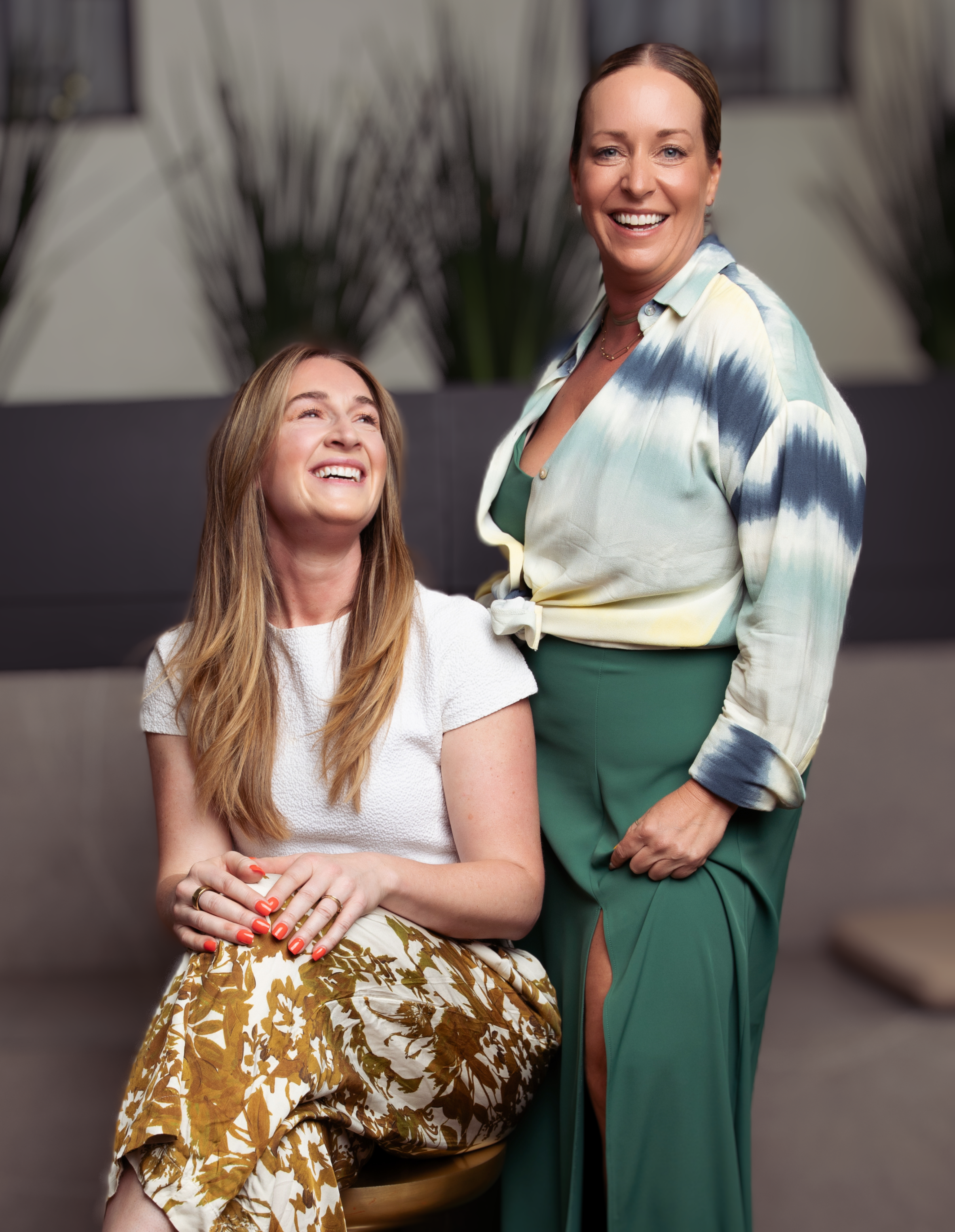
Bash Creative is an event planning company that specializes in incredible gatherings that go beyond just great design. We’re known for teasing out smart goals for your event and serving up a stylish execution that will keep your guests buzzing. Located in San Francisco, but often found in New York, Austin, Las Vegas, Miami, and beyond.