Post Event Survey Questions That Actually Improve Your Next Event
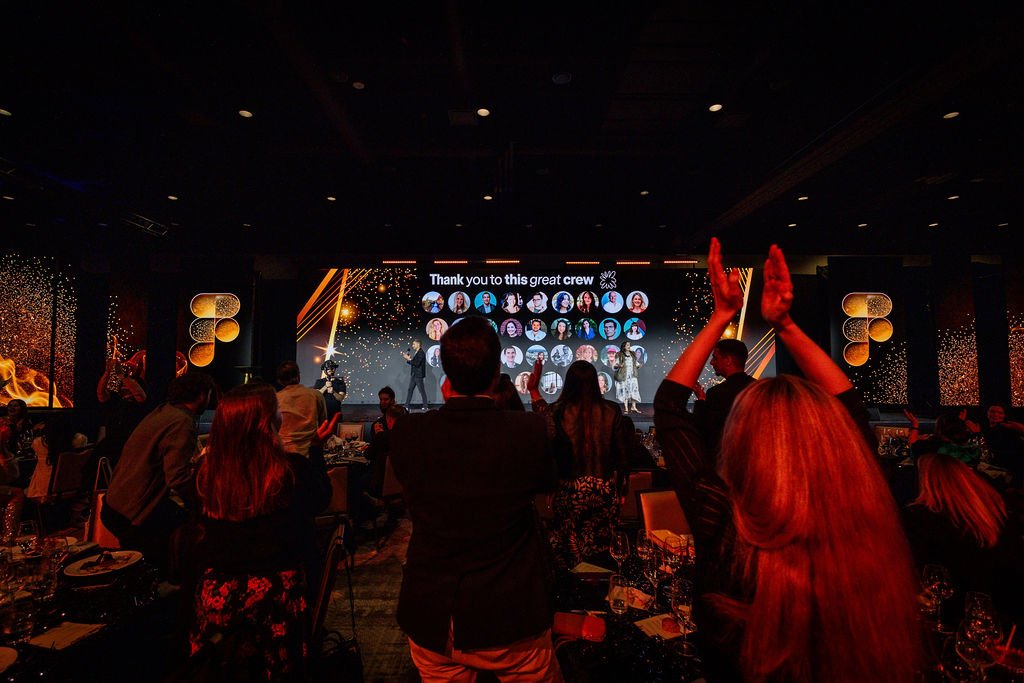
Most post-event surveys are sent with little intention to take the information and improve anything for the following year. They are far more focused on addressing the current year’s KPIs vs being future-focused. The goal of a post-event survey should not only be metrics but also collecting real-time feedback that can be implemented immediately, while waiting for the next event, or to improve the following year.
At Bash Creative, we partner with internal teams at growing, mission-led organizations to design and produce complex, culture-driven events that create impact. Our many loyal and year-over-year partnerships give us a front row seat to what feedback actually drives improvement and what simply creates noise.
If you want your event to multiply its impact year-over-year, your survey has to reveal what to keep, what to change, and what to discard.
Maximize Your End-of-Event Excitement with Reflection
The best way to evolve and improve your event is to learn from the past while it’s still fresh. Within 2 weeks after your event, assess what worked and what didn’t from every perspective: yours, your attendees’, and your stakeholders’. Not months later, when memory has softened the truth and the story has been rewritten.
Key considerations:
Where did energy peak, and where did it drop
Were attendees actively engaged, or was there a point at which attention faded
Which sessions, activities, or formats sparked the most interaction and post-event action
Where was there a miss for any person, and could it have been avoided with proper planning
Post-event debriefs and real-time feedback help you make informed decisions for the next iteration, so your event stays relevant, engaging, and aligned with the team you have now.
The Problem With Most Surveys
Most surveys ask for validation, not insight. They sound like, “Rate the event from 1 to 10. What did you like most? Any other comments?” Those questions are not useless, but they rarely drive decisions because they are subjective. If you want momentum and multipliers for years to come, your questions need to:
Diagnose what impacted energy and engagement
Reveal where expectations did not match reality
Prioritize what matters most to change next time
Clarify what should stay consistent year over year
Your survey should have a mixture of data-based responses and free-form typing
The Questions That Actually Move the Needle
Use a combination of questions in each category to build a survey that creates insight instead of noise.
1. Energy and Engagement
When did you feel most engaged during the event?
When did your attention drop?
Which part of the agenda felt too long, too fast, and unnecessary?
If we cut one section next year, what would you remove first?
If we kept one thing from this year, what is non-negotiable?
2. Content and Relevance
Which session positively changed how you think or work?
Which session felt least relevant to your role?
What relevant topics or subjects did we miss?
3. Format and Flow
Did you connect with and retain information?
Did any part feel like it could have been an email? If so, which?
What was your ah-ha moment?
4. Connection and Culture
Did you meet someone new who will elevate your career?
Did you feel connected to the other guests?
Were there any moments that felt transactional or performative?
Did your expectations match your experience?
The Questions That Create Priorities
If you include only three questions from this post, make it these:
Did your expectations match your experience?
If we could improve only one thing next year, what should it be?
What impact would that have on your experience?
How to Use the Results Without Getting Derailed
Surveys create messy data. Your job is to translate it into action. Here’s the filter:
Look for patterns, not outliers
Separate preference from problem
Treat feedback like a diagnostic, not a vote
Prioritize changes that improve the experience for the many, not the loudest
If your feedback is contradictory, that’s normal. It usually means you have multiple audiences in the room with different needs. That is not a survey issue. That is a strategy issue.
What to Do Next…
If your event happens every year, your goal is not reinvention. It’s momentum with intentional iteration. Start with reflection while the truth is still fresh. Ask questions that reveal what actually moved people and what information will make your future decisions much easier. Then carry that learning forward so you are not starting from zero, because multiplying your event’s impact year over year is not accidental.
If you want a deeper version of this or other invaluable planning tools, we’re turning frameworks like this into a resource center built for internal planners. Join the early access list.
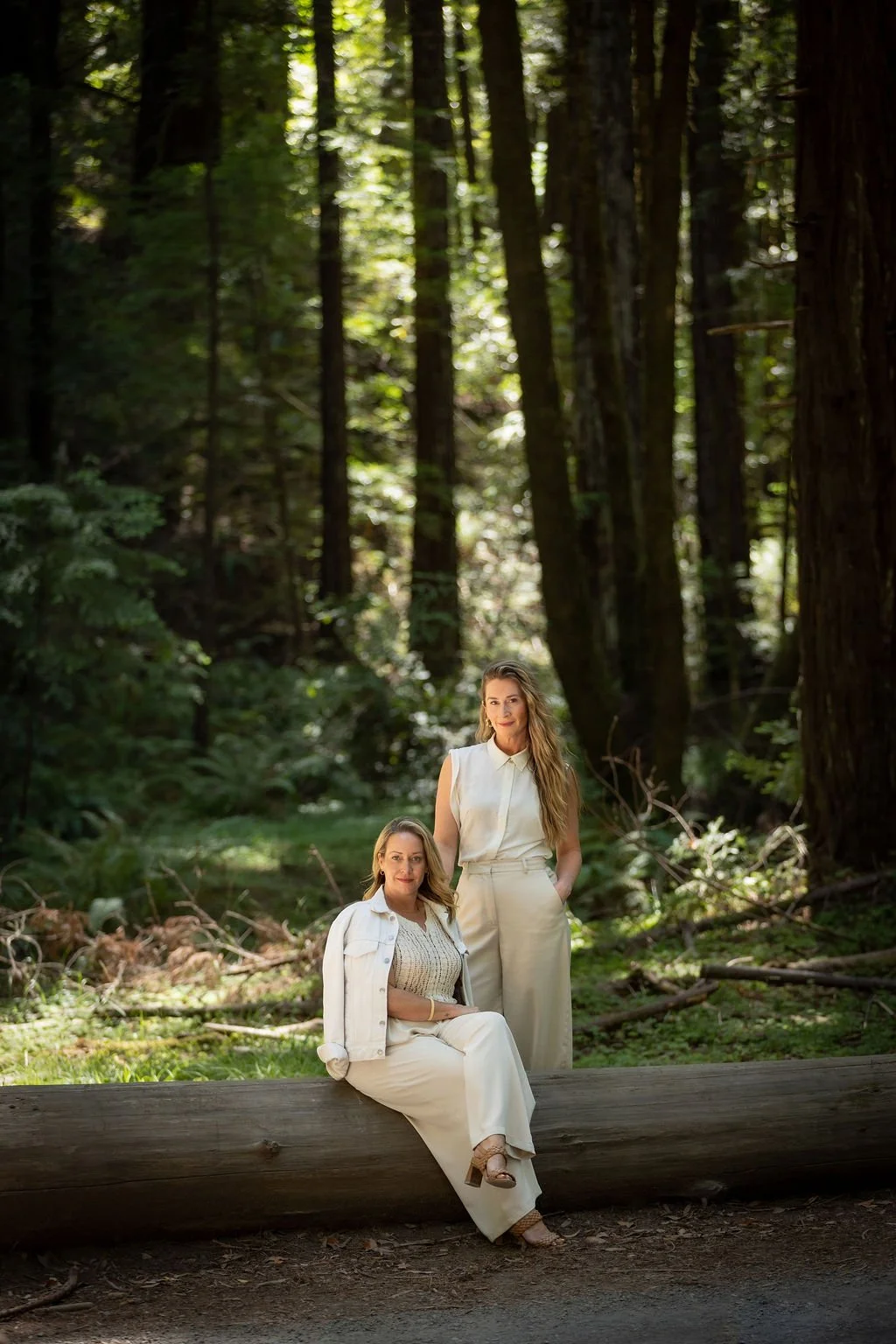
Bash Creative is an event planning company that specializes in incredible gatherings that go beyond just great design. We’re known for teasing out smart goals for your event and serving up a stylish execution that will keep your guests buzzing. Located in San Francisco, but often found in Miami, Las Vegas, New York, Austin, and beyond.